Why Programmatic SEO Ensures Long-Term Growth for 2026
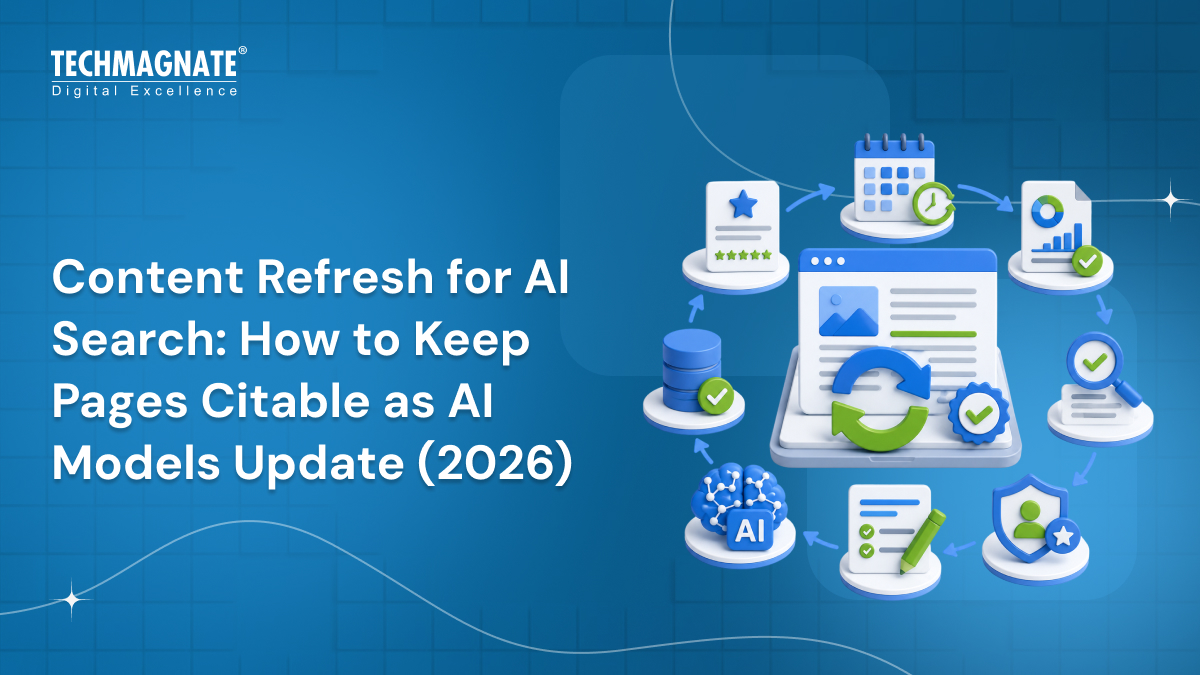
What worked in 2024 might underperform today, making adaptability a core competency for material groups. Premium content and website efficiency metrics greatly influence rankings, however knowing which specific aspects to enhance makes the difference in between scattered efforts and tactical wins.
Online search engine reward extensive protection that shows proficiency. Thin material with surface-level insights gets buried, while in-depth guides that address associated questions beyond the initial query gain exposure. Creativity matters too. Reworking existing material without adding new viewpoints or data supplies little value. is no longer optional. With mobile-first indexing, online search engine assess your site mainly through its mobile experience.
A desktop-optimized website that stops working on mobile will struggle regardless of content quality. Every second of delay increases bounce rates and signals bad user experience to search algorithms.
For SaaS material, this suggests demonstrating industry understanding through comprehensive case studies, mentioning reliable sources, and showcasing author credentials. Online search engine search for signals that your material originates from experienced sources, not generic material mills. includes semantic SEO practices that help algorithms comprehend your content context. Usage structured information markup, develop clear topical hierarchies, and write for natural language queries.
Audit your existing content to determine which areas need instant attention, then build a roadmap that addresses high-impact improvements. Comprehending how ranking aspects progressed assists you designate resources efficiently. AI-enhanced metrics complement conventional SEO elements by including deeper content understanding, however standard signals still matter. Element category Conventional SEO approach AI-enhanced method Keyword optimization Exact match keywords, density targets Semantic relevance, natural language, intent matching Material examination Word count, keyword positioning Topic comprehensiveness, entity recognition, context understanding Link analysis Backlink quantity, anchor text Link quality, topical authority, relationship networks User signals Click-through rates, time on page Engagement depth, fulfillment indicators, job completion Technical aspects Crawlability, indexing, website speed Structured information, schema markup, API ease of access Conventional SEO focused greatly on keyword placement and backlink acquisition.
Growing Search Engine Reach Automatically
AI metrics analyze content semantically, comprehending topics beyond individual keywords. Browse engines now acknowledge that "vehicle" and "car" represent the very same concept, and they assess whether your content covers associated subtopics adequately.
Traditional metrics like bounce rate still matter, however AI systems now interpret these signals in context. Overlooking traditional SEO basics like appropriate indexing and mobile optimization undermines AI-enhanced material.
quality link list
AI-enhanced ranking benefits content produced for users, then enhanced for discoverability. When planning new content, consider both traditional signals (keywords, links, technical structure) and AI factors (semantic depth, intent fulfillment, engagement quality).
Understanding ranking elements matters little without execution. SaaS content strategists need useful workflows that translate insights into improved search exposure and AI combination. Which ranking factors associate with success?
quality link listFocus first on pages with high traffic potential but present ranking weak points. Update obsoleted statistics, broaden thin sections, enhance page speed, and enhance mobile experience. Use natural language processing tools to analyze subject coverage and identify gaps. These tools expose associated principles and questions your content should resolve to improve semantic relevance and content optimization.
Scaling Search Engine Visibility By Using Automation
Track rankings, traffic, and engagement weekly. When algorithm updates occur, evaluate efficiency shifts to comprehend which elements altered in value. Run A/B tests on different optimization methods to see what works for your specific audience and market.